
Erectile dysfunction (ED) is a common condition that makes it difficult to get or keep an erection firm enough for sexual activity. It can affect men of all ages and may impact confidence relationships and overall well-being. If you’re wondering what is the safest ED medication the answer depends on your individual health.
There is no single medicine that is the safest for everyone. Doctors consider your age, medical history, current medications, and other health conditions before recommending treatment. Most FDA-approved ED medications are considered safe when used as prescribed.
This guide explains how these medicines work, compares available options, and helps you understand which treatment may be the safest choice for your needs. It also discusses safe ED drugs, generic erectile dysfunction medications and the factors healthcare providers consider before recommending treatment.
What Is Erectile Dysfunction (ED)?
Erectile Dysfunction (ED) is a condition in which a man has difficulty getting or keeping an erection that is firm enough for sexual activity. It is a common condition that can affect men of any age. Although it becomes more common as men get older it is not a normal part of aging and it can often be treated.
A healthy erection happens when the brain nerves hormones blood vessels and muscles work together properly. During sexual arousal the brain sends signals that increase blood flow to the penis.
This extra blood flow helps the penis become firm. If this process is affected by a health condition certain medicines or emotional problems such as stress or anxiety erectile dysfunction may occur.
What Is the Safest ED Medication?
The safest ED medication is not the same for every man. The best and safest option depends on your overall health, age, medical history, current medications, and the cause of your erectile dysfunction.
Healthcare providers usually prescribe FDA-approved ED medications after evaluating these factors to reduce the risk of side effects and drug interactions. When taken as directed, these medicines are generally safe and effective for many men.
If you are trying treatment for the first time, your healthcare provider can recommend the safest ed treatment for men new to medication based on your medical history and individual health needs.
How Do ED Medications Work?
Most ED medications belong to a group of medicines called PDE5 inhibitors. They work by increasing blood flow to the penis during sexual stimulation, making it easier to get and maintain an erection. These medicines do not cause an automatic erection or increase sexual desire.
Sexual arousal is still needed for them to work. By relaxing blood vessels and improving circulation, ED medications support the body’s natural erectile response. When taken as prescribed by a healthcare provider, they can be an effective safe medicine for erectile dysfunction for many men.
FDA-Approved ED Medications for Erectile Dysfunction
Several prescription medications are approved by the U.S. Food and Drug Administration (FDA) to treat erectile dysfunction. These medicines belong to a group called PDE5 inhibitors, which improve blood flow to the penis during sexual stimulation.
Sildenafil (Viagra)
Sildenafil is one of the most commonly prescribed ED medications. It works by relaxing blood vessels and improving blood flow during sexual stimulation. Because it has been studied for many years, healthcare providers have extensive experience prescribing it. It may be suitable for many men when taken exactly as directed, although it is not appropriate for everyone.
Tadalafil (Cialis)
Tadalafil is another FDA-approved ED medication. It is known for its longer-lasting effects and can be taken either once daily or as needed before sexual activity. This flexibility makes it a suitable option for many men.
Vardenafil (Levitra)
Vardenafil is an FDA-approved medication that works by improving blood flow to the penis during sexual stimulation. It is an effective treatment option for many men with erectile dysfunction.
Avanafil (Stendra)
Avanafil is one of the newer FDA-approved medications for erectile dysfunction. It works in the same way as other PDE5 inhibitors by increasing blood flow during sexual stimulation.
Which ED Medication Is Considered the Safest?
There is no single ED medication that is the safest for everyone. The best choice depends on your age, overall health, medical conditions and the medicines you take. ED medications are generally considered safe when used as prescribed by a healthcare provider.
However, some men with heart disease, liver disease, kidney disease, or other medical conditions may need a different treatment approach. The safest option is the one your healthcare provider recommends after reviewing your individual health needs rather than choosing popular sexual enhancement pills available online.
The Safest ED Medication Based on Your Health Condition
The safest ED medication is different for every person. It depends on your overall health, medical conditions, and the medicines you already take. A healthcare provider will review your medical history before recommending the most suitable treatment.
Heart Disease
Men with heart disease should talk to their healthcare provider before taking any ED medication. These medicines are not safe for people who take nitrate medications or have certain serious heart conditions. A medical evaluation helps determine the safest treatment option.
High Blood Pressure
Many men with well-controlled high blood pressure can safely use FDA-approved ED medications. However, some blood pressure medicines can interact with ED drugs, so your healthcare provider should review all your current medications first.
Diabetes
Diabetes can damage blood vessels and nerves, making erectile dysfunction more common. FDA-approved ED medications may work well for many men with diabetes. Managing blood sugar levels through proper treatment and a healthy lifestyle can also improve sexual health.
Kidney Disease
Kidney disease may slow down how the body removes certain medications. Depending on your kidney function, your healthcare provider may adjust the dose or recommend a different ED medication to improve safety.
Liver Disease
The liver helps process many medicines. If you have liver disease, ED medications may stay in your body longer than usual. Your healthcare provider may recommend a lower dose or monitor your treatment more closely.
Older Adults
As people get older, their bodies may become more sensitive to medications. Older adults often start with a lower dose to reduce the risk of side effects while still getting effective treatment.
Daily ED Medication vs As-Needed Medication
ED medications can be used in two ways: daily or as needed. The best option depends on your health, lifestyle, and your healthcare provider’s advice.
A daily ED medication is taken once every day, even if you do not plan to have sex. It provides continuous treatment and may be suitable for men who are sexually active more often.
An as-needed ED medication is taken before sexual activity. It works only with sexual stimulation and is often recommended for men who need treatment occasionally.
Your healthcare provider can help you choose the option that is safest and most suitable for your individual health needs.
Common Side Effects of ED Medications
ED medications can cause side effects. Most side effects are mild, temporary, and improve as your body adjusts to the medication.
Common Side Effects
Some common side effects of ED medications include:
- Headache
- Flushing (warmth or redness in the face)
- Stuffy or runny nose
- Upset stomach or indigestion
- Dizziness
- Back pain or muscle aches (with some medications)
- Mild vision changes, such as blurred vision or a blue tint
Serious Side Effects
Serious side effects are rare but require immediate medical attention. These include:
- Chest pain
- Sudden loss of vision
- Sudden hearing loss
- An erection lasting more than 4 hours (priapism)
- Swelling of the face, lips, tongue, or throat
- Difficulty breathing or severe dizziness
Who Should Avoid ED Medications?
While lifestyle changes may not replace medication for everyone, they can improve overall health and may enhance the effectiveness of ED treatment and overall Men’s health.
- Take nitrate medicines for chest pain
- Have severe heart disease or have been advised to avoid sexual activity
- Have uncontrolled high or low blood pressure
- Have had a recent heart attack or stroke
- Have severe liver or kidney disease
- Are allergic to any ingredient in the medication
- Have certain inherited eye disorders, such as retinitis pigmentosa
Can Lifestyle Changes Improve Erectile Dysfunction?
While lifestyle changes may not replace medication for everyone, they can improve overall health and may enhance the effectiveness of ED treatment.
- Exercise regularly: Physical activity improves blood circulation, supports heart health, and helps maintain a healthy weight.
- Eat a balanced diet: A diet rich in fruits, vegetables, whole grains, lean protein, and healthy fats supports healthy blood vessels and overall wellness.
- Maintain a healthy weight: Losing excess weight may improve blood flow and reduce the risk of conditions associated with ED.
- Quit smoking: Smoking damages blood vessels and can reduce blood flow to the penis. Quitting smoking may improve erectile function over time.
- Limit alcohol intake: Heavy alcohol consumption can contribute to erectile dysfunction. Drinking in moderation may help reduce this risk.
- Manage stress: Stress and anxiety can affect sexual performance. Relaxation techniques, counseling, or mindfulness practices may be beneficial.
- Get enough sleep: Good-quality sleep supports hormone balance and overall physical health, both of which are important for sexual function.
Are Over-the-Counter ED Supplements Safe?
Many over-the-counter (OTC) supplements claim to improve erectile dysfunction or boost sexual performance. However these products are not tested or regulated as strictly as FDA-approved prescription medications.
Some herbal supplements have limited scientific evidence while others may contain hidden ingredients that are not listed on the label. These ingredients can interact with prescription medicines and may cause serious side effects.
Before trying any OTC ED supplement, talk to your healthcare provider, especially if you have heart disease, high blood pressure, diabetes, or take other medications. For most men, FDA-approved ED medications prescribed by a healthcare provider are the safest and most reliable treatment option.
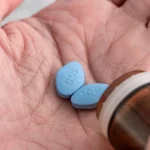
It is also important to avoid buying products marketed as the Blue Pill unless they are prescribed by a qualified healthcare professional or obtained from a licensed pharmacy.
Conclusion
Choosing the safest ED medication is not about finding one medicine that works for everyone. Instead, the right treatment depends on your overall health, medical history, and the medicines you already take.
FDA-approved ED medications are generally safe when used as directed by a healthcare provider. Healthy habits like regular exercise, eating a balanced diet, maintaining a healthy weight, quitting smoking, limiting alcohol, and managing stress may also help improve erectile function.
If you have ongoing symptoms of erectile dysfunction, speak with a healthcare provider. They can recommend a safe and personalized treatment plan based on your individual health needs.