Understanding how erections work can help you make informed decisions about your sexual and overall health. Although erections are a normal part of the male body, they are often misunderstood. Knowing the erection meaning and how the process works can help reduce confusion and embarrassment.
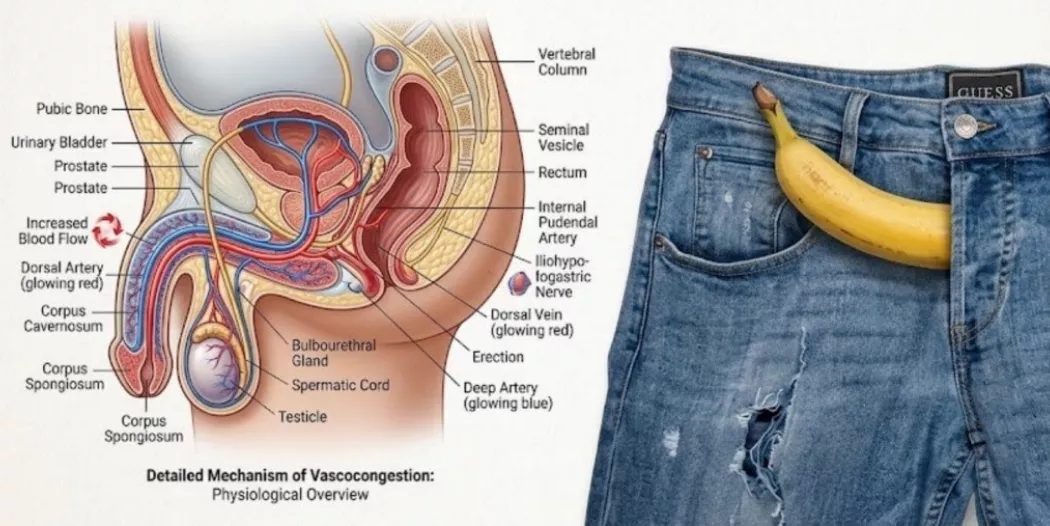
An erection occurs when increased blood flow causes the penis to become firm, usually in response to sexual thoughts, physical touch, or other forms of stimulation.
However, erections involve much more than sexual arousal alone. The brain, nerves, hormones, blood vessels, and emotions all work together to make the process happen. Factors such as stress, lack of sleep, certain health conditions, and lifestyle habits can also affect erectile function.
Because erectile function is closely connected to overall well-being, understanding erections is an important part of Men’s Health. Learning about erections can help reduce anxiety and normalize experiences like morning erections or occasional difficulties.
What Is an Erection?
An erection happens when extra blood flows into the soft tissues inside the penis, causing it to become larger, firmer, and raised. This is the basic erection definition and describes a normal body function that usually occurs during sexual arousal, physical touch, emotional closeness, or sexual thoughts.
So, what does erection mean in simple terms? It means the penis becomes firm because increased blood flow fills the erectile tissues. Erections can also happen without sexual stimulation, such as during sleep or at random times during the day. Developing an erection depends on healthy communication between the brain, nerves, hormones, blood vessels, and muscles.
Although erections are often linked to sexual activity, they can also reflect overall health, especially the health of the circulatory and nervous systems. Occasional changes in erection quality are common and may be caused by stress, tiredness, alcohol use, relationship issues, or temporary health problems.
Anatomy of the Penis
It helps to know the basic anatomy of the penis. Several structures work together during the erection process.
Corpora Cavernosa
The corpora cavernosa are two sponge-like chambers that run along the inside of the penis. During sexual arousal, these chambers fill with blood and expand. This increase in blood flow makes the penis firm and erect. Most of the firmness of an erection comes from the corpora cavernosa.
Corpus Spongiosum
The corpus spongiosum surrounds the urethra, the tube that carries urine and semen out of the body. During an erection, this tissue also fills with blood, although it remains softer than the corpora cavernosa to keep the urethra open.
Blood Vessels
Blood vessels play an important role in getting and maintaining an erection. Arteries carry blood into the penis, while veins carry blood away. When a person becomes sexually aroused, the arteries widen to allow more blood to enter. At the same time, the veins narrow to help keep blood inside the penis.
Nerves
Nerves send messages between the brain, spinal cord, and penis. These signals tell the blood vessels when to relax and increase blood flow, starting the erection process.
Hormones
Hormones, especially testosterone, help regulate sexual desire and support normal sexual function. However, hormones are only one part of the process. Healthy erections also depend on good blood flow, proper nerve function, mental well-being, and overall health.
How Do Erections Work?
The erection process is a coordinated series of events involving the brain, nervous system, hormones, and blood vessels. This highly coordinated erection mechanism can be broken down into several steps.
1. Sexual Stimulation Begins
Sexual arousal can begin in many different ways. It may happen through physical touch, seeing someone attractive, sharing a romantic moment, having sexual thoughts or fantasies, or feeling emotionally connected to a partner. These experiences send signals to the brain that start the erection process. However, difficulties with arousal or sexual response may sometimes be linked to sexual dysfunction.
Everyone responds to stimulation differently, and what creates arousal can vary from person to person and even change over time. This first step is important because it triggers the body’s physical and emotional responses to sexual excitement.
2. The Brain Sends Signals
When you feel sexually aroused, your brain sends signals through the spinal cord and nerves to the penis. These signals tell the blood vessels to relax and allow more blood to flow into the penis, helping an erection develop.
Mental and emotional health can affect this process. Stress, anxiety, depression, or relationship issues may interrupt these signals, making it more difficult to get or maintain an erection. A healthy mind and body both play an important role in normal erectile function.
3. Blood Vessels Relax
The nerves release a chemical called nitric oxide. Nitric oxide helps relax the muscles in the blood vessels of the penis, causing the arteries to widen. When these blood vessels open up, more blood can flow into the soft, sponge-like tissues inside the penis.
This increase in blood flow is an important part of getting an erection. At the same time, the body begins to reduce the amount of blood leaving the penis, which helps maintain firmness. Without enough nitric oxide, it may be difficult to achieve or maintain an erection. Medications such as sildenafil help support this process by improving blood flow to the penis.
4. Blood Fills the Penis
As more blood enters the penis, two sponge-like chambers called the corpora cavernosa begin to fill up. These chambers act like soft sponges that expand as they receive more blood. At the same time, the veins that normally carry blood away from the penis are compressed, which helps keep the blood trapped inside.
This increase in blood flow and reduced blood outflow causes the penis to become larger, firmer, and erect. Healthy blood circulation is essential for achieving and maintaining a strong erection.
5. The Penis Becomes Firm
When enough blood is trapped in the erectile tissues, the penis becomes larger, firmer, and erect. The blood stays inside the penis because the veins that normally carry blood away are temporarily compressed. This helps maintain the erection and keeps the penis firm enough for sexual activity.
The quality and duration of an erection can vary from person to person. A healthy erection depends on several factors working together, including good blood flow, proper nerve function, balanced hormone levels, and emotional well-being. Physical and mental health both play an important role in sexual function.
6. The Erection Ends
After orgasm or when sexual arousal decreases, the body stops sending the signals that keep the erection going. As these signals fade, the muscles in the penis tighten again, reducing blood flow into the erectile tissues. The veins that were compressed during the erection reopen, allowing the trapped blood to flow back into the body.
The penis gradually becomes soft and returns to its normal, relaxed state. This process is completely natural and happens after most erections, although the timing can vary from person to person.
What Are the Different Types of Erections?
Not all erections happen for the same reason. They can occur because of physical touch, sexual thoughts, or even during sleep.Understanding the different types of erections can help explain why they sometimes happen unexpectedly.
Reflexogenic Erections
These erections result from direct physical stimulation of the genitals. When the penis or surrounding area is touched, nerves send signals through the spinal cord to increase blood flow to the penis. This process helps the penis become firm and erect.
Psychogenic Erections
These erections begin with thoughts, emotions, memories, or visual stimulation. The brain plays the leading role in initiating the response.When a person feels sexually excited, the brain sends signals through the nervous system to increase blood flow to the penis, resulting in an erection.
Nocturnal Erections
Also known as “morning wood,” these erections occur during sleep, particularly during rapid eye movement (REM) sleep. They are a normal and healthy part of the body’s natural functions and may happen several times throughout the night, even without sexual dreams or stimulation.
Spontaneous Erections
Unexpected erections can occur without obvious sexual stimulation. They may happen randomly during daily activities, even without sexual thoughts or physical touch. This is especially common during adolescence and young adulthood, but it can occur at any age. Having occasional spontaneous erections is a normal part of male biology.
How Long Does a Normal Erection Last?
There is no set amount of time that a normal erection should last. The duration can vary from person to person and depends on several factors, including age, level of sexual arousal, overall health, emotional well-being, alcohol use, and certain medications.
In most cases, an erection lasts long enough to allow for satisfying sexual activity. Some erections may last only a few minutes, while others can continue for a longer period. Occasional changes in erection duration are normal and are not usually a cause for concern.
What matters most is whether the erection is comfortable and meets the needs of the individual and their partner. However, an erection that lasts longer than four hours requires immediate medical attention. This condition, called priapism, can damage penile tissue if not treated promptly.
What Can Affect Your Ability to Get or Maintain an Erection?
Many different factors can affect your ability to get or keep an erection. Since erections depend on healthy blood flow, nerve function, hormones, and mental well-being, problems in any of these areas may impact erectile function.
Physical Health Conditions
Certain health conditions can make it harder to get or maintain an erection by affecting blood flow or nerve signals.
These conditions include:
- Diabetes
- High blood pressure
- High cholesterol
- Obesity
- Heart disease
- Sleep disorders
Because erections rely on good blood circulation, problems with heart and blood vessel health can often affect erectile function.
Mental and Emotional Factors
Your mental and emotional health can have a big impact on your ability to get and maintain an erection.
Feelings of stress, anxiety, depression, or low self-confidence can reduce sexual desire and make it harder for the brain to send the signals needed for an erection. Relationship problems, work pressure, financial concerns, and everyday stress can also affect sexual performance.
Performance anxiety is another common issue. Worrying about getting or keeping an erection can increase stress levels, which may make the problem worse. This can create a cycle where anxiety leads to erection difficulties, and those difficulties cause even more anxiety.
Lifestyle Habits
Your everyday habits can affect your sexual health and your ability to get or maintain an erection. Some lifestyle factors that may make erections more difficult include:
- Smoking
- Drinking too much alcohol
- Not getting enough exercise
- Eating an unhealthy diet
- Feeling stressed for long periods
- Not getting enough sleep
Healthy changes to your daily routine can improve blood flow, increase energy levels, and support better erectile function over time. Regular exercise, a balanced diet, quality sleep, and stress management can all help maintain healthy erections.
Common Erection Problems
Having trouble with erections from time to time is common and usually not a cause for concern. Stress, tiredness, alcohol use, relationship issues, or sexual performance anxiety can sometimes affect sexual performance. If erection problems happen often or start affecting your confidence, relationships, or quality of life, it may be time to speak with a healthcare professional.
Some common erection problems include:
- Difficulty getting an erection
- Difficulty keeping an erection during sexual activity
- Erections that are not firm enough for satisfactory sex
- Pain during erections
- Curvature of the penis that causes discomfort or affects sexual activity
- Erections that last longer than four hours
Changes in penis strength or erection quality can result from physical health conditions, stress, medications, or lifestyle habits. If these changes happen regularly, consider speaking with a healthcare professional.
Are Erection Problems a Sign of Other Health Issues?
ongoing erection problems can be an early sign of an underlying health condition. Because the blood vessels in the penis are smaller than those in other parts of the body, reduced blood flow may affect erections before other symptoms appear.
Conditions such as heart disease, diabetes, high blood pressure, hormonal imbalances, sleep apnea, anxiety, depression, and certain neurological disorders can all impact erectile function.
The role of an erection in male reproductive system goes beyond sexual activity and can reflect overall well-being. If erection difficulties happen frequently or worsen over time, it’s important to speak with a healthcare professional for proper evaluation and treatment.
How to Support Healthy Erections Naturally
Supporting erectile health often involves the same habits that benefit overall health.
Exercise Regularly
Regular physical activity helps improve blood circulation, supports heart health, and helps maintain a healthy weight. Activities such as walking, jogging, cycling, swimming, or strength training can all be beneficial.
Eat a Healthy Diet
Eating a balanced diet can help improve blood flow and support healthy erections. Try to include plenty of fruits, vegetables, whole grains, lean proteins, and healthy fats like nuts, seeds, and olive oil. Limiting processed foods, sugary drinks, and too much salt may also benefit your overall and sexual health.
Maintain a Healthy Weight
Carrying extra weight can increase the risk of health problems such as diabetes, high blood pressure, and heart disease, which may affect your ability to get or maintain an erection. Maintaining a healthy weight through regular exercise and a balanced diet can support better sexual and overall health.
Get Enough Sleep
Getting enough sleep is important for your overall health and sexual wellness. Poor sleep can affect your energy levels, mood, and hormone balance, which may make it harder to get or maintain an erection. Most adults should aim for 7 to 9 hours of quality sleep each night.
Manage Stress
Stress and anxiety can make it harder to get or maintain an erection. Managing stress can improve both your mental well-being and sexual health. Simple activities like regular exercise, deep breathing, meditation, spending time with loved ones, and enjoying hobbies can help you feel more relaxed and reduce stress levels.
Avoid Smoking
Smoking can damage your blood vessels and reduce blood flow, making it harder to get or maintain an erection. Quitting smoking can improve circulation, support better sexual health, and lower the risk of conditions that affect erectile function, such as heart disease and high blood pressure.
Limit Alcohol Intake
Drinking too much alcohol can make it harder to get or keep an erection. It may reduce sexual desire and affect the signals between your brain and body that help trigger an erection. If you drink alcohol, try to do so in moderation to support better sexual health.
When Should You See a Doctor?
Occasional erection difficulties are common and are not usually a cause for concern. However, you should speak with a healthcare professional if you often have trouble getting or maintaining an erection, notice a sudden change in your sexual function, or experience a decrease in sexual desire.
Medical advice is also important if erections become painful, you notice a significant curve in the penis, or an erection lasts longer than four hours.
Early evaluation can help identify underlying health conditions, such as diabetes, heart disease, or hormonal imbalances, and ensure you receive appropriate treatment and support.
Conclusion
Erections are a normal part of male sexual health and happen through a combination of signals from the brain, nerves, hormones, blood vessels, and emotions. Understanding how erections work can help clear up common myths and make it easier to talk openly about sexual wellness.
Healthy erections depend on factors such as heart health, mental well-being, sleep quality, and lifestyle habits. Occasional erection changes are normal, but ongoing difficulty getting or maintaining an erection may be a sign of an underlying health condition or Erectile Dysfunction.
Regular exercise, a balanced diet, quality sleep, stress management, and routine medical checkups can help support healthy erections. If you have concerns about your erectile health, speaking with a healthcare professional can help you find the right support and treatment options.