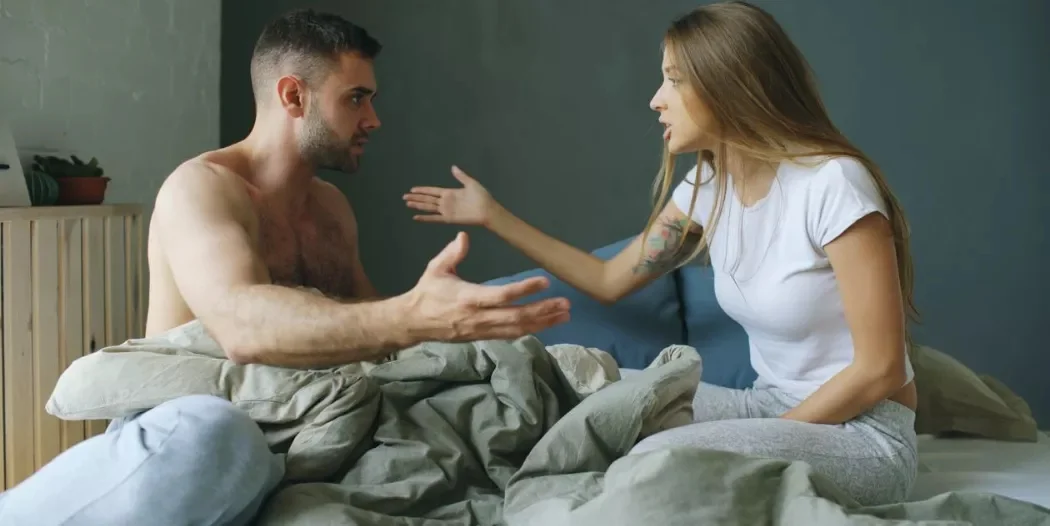
Intimacy is often portrayed as something that should happen naturally and effortlessly. However, many people experience worries about their sexual performance at some point in their lives. Concerns about satisfying a partner, maintaining arousal, or meeting personal expectations can create significant emotional stress.
If you are wondering, “What is sexual performance anxiety?” you are not alone. Sexual performance anxiety is a common issue that can affect people of all ages and genders. While occasional nervousness is normal, ongoing anxiety can impact sexual confidence, satisfaction, and relationships.
When a person becomes overly focused on performance, the body’s stress response may interfere with arousal and physical intimacy. This can lead to a cycle of worry and frustration. The good news is that sexual performance anxiety is manageable. With healthy communication, lifestyle changes, and professional support when needed, many people can overcome these challenges and build more fulfilling relationships.
What Is Sexual Performance Anxiety?
Sexual performance anxiety is a feeling of stress, fear, or worry related to sexual activity. It happens when concerns about sexual performance become so strong that they affect arousal, desire, satisfaction, or intimacy. People with sexual performance anxiety often focus more on how they are performing rather than enjoying the moment. They may worry about satisfying their partner or fear that something could go wrong.
These anxious thoughts can trigger the body’s stress response, increasing hormones like cortisol and adrenaline. This can affect blood flow, concentration, and sexual function. Although it is often linked to men, sexual performance anxiety can affect people of any age, gender, or sexual orientation.
Is Sexual Performance Anxiety Normal?
Yes. Occasional concerns about intimacy are a normal part of human experience. Many people feel nervous before having sex with a new partner, after a long break from sexual activity, or during stressful periods in life.
Feeling anxious from time to time does not mean there is a serious problem. However, if these worries happen often or start affecting your confidence, relationships, or sexual satisfaction, it may be time to look for the underlying cause.
Ongoing sexual performance anxiety can lead to avoiding intimacy, low self-esteem, and increased stress. Recognizing these feelings early can help you take positive steps toward improving your sexual and emotional well-being.
What Causes Sexual Performance Anxiety?
Sexual performance anxiety usually does not have just one cause. It often happens because of a combination of emotional, mental, physical, and relationship-related factors.
Fear of Not Satisfying a Partner
Many people worry about pleasing their partner during sexual activity. They may feel pressure to meet certain expectations or perform well. These thoughts can lead to stress, self-doubt, and anxiety, making it harder to relax and enjoy intimate moments.
Previous Negative Sexual Experiences
A past sexual experience that felt embarrassing, uncomfortable, or disappointing can affect your confidence. Negative comments from a partner or previous sexual difficulties may create fear about future intimacy. These memories can make you worry about your performance and increase anxiety during sexual situations.
Relationship Problems
Relationship issues can play a major role in sexual performance anxiety. Poor communication, frequent arguments, trust problems, or feeling emotionally disconnected from a partner can increase stress and self-doubt. These challenges may make it harder to relax, feel comfortable, and enjoy intimacy.
Stress at Work or Financial Pressure
Everyday Stress from work, money problems, or family responsibilities can affect your mental and emotional well-being. When your mind is focused on daily pressures, it can be harder to relax and enjoy intimate moments. High stress levels may also reduce sexual desire and increase performance-related anxiety.
Body Image and Self-Esteem Issues
Worries about body shape, weight, aging, or physical appearance can affect self-confidence during intimacy. When people feel insecure about how they look, they may become overly focused on their appearance instead of enjoying the moment. This self-consciousness can increase stress and contribute to sexual performance anxiety.
Depression and General Anxiety Disorders
Depression and anxiety can affect both your mental and sexual well-being. These conditions may lower sexual desire, reduce self-confidence, and make it harder to relax during intimacy. Constant worry, sadness, or stress can interfere with arousal and make sexual experiences less enjoyable.
Unrealistic Expectations From Pornography or Social Media
Pornography and social media often show unrealistic images of sex, relationships, and body appearance. Comparing real-life experiences to this content can create unnecessary pressure and self-doubt. These unrealistic expectations may lead to feelings of anxiety, lower confidence, and concerns about sexual performance.
Long Gaps Between Sexual Experiences
Going a long time without sexual activity can make some people feel nervous or less confident when they become intimate again. They may worry about their performance or fear disappointing their partner. These concerns can create pressure and increase feelings of sexual performance anxiety.
Common Symptoms of Sexual Performance Anxiety
Sexual performance anxiety can affect both your thoughts and your body. The symptoms may be different for everyone, but they often happen before or during intimate moments.
Emotional Symptoms
- Constant worry about sexual performance
- Fear of disappointing your partner
- Negative thoughts about yourself or your abilities
- Difficulty relaxing or staying focused during intimacy
- Avoiding sexual situations because of fear or stress
- Feeling embarrassed, guilty, or ashamed
Physical Symptoms
- A fast heartbeat
- Muscle tension or feeling physically tense
- Sweating more than usual
- Dry mouth
- Difficulty becoming sexually aroused
- Reduced interest in sex
- Trouble reaching orgasm
- Difficulty getting or maintaining an erection
- Changes in normal sexual response
Can Sexual Performance Anxiety Cause Erectile Dysfunction?
Yes, sexual performance anxiety can contribute to erectile difficulties. When you feel stressed or worried about sexual performance, your body releases stress hormones that can reduce blood flow and make it harder to get or maintain an erection.
Experiencing ed due to anxiety can create a cycle where one difficult experience leads to more worry during future intimate moments. This increased pressure may make erectile problems happen more often.
Occasional erection difficulties are common and usually not a cause for concern. However, if symptoms continue or affect your confidence and relationships, it is important to speak with a healthcare professional to identify any underlying physical or emotional causes.
You can also learn more about the causes and treatment options for Erectile Dysfunction to better understand the connection between anxiety and sexual health.
Can Women Experience Sexual Performance Anxiety?
Yes, women can also experience sexual performance anxiety. Although it is often discussed in relation to men, women may worry about their appearance, sexual performance, ability to satisfy a partner, or meeting certain expectations during intimacy.
These concerns can make it difficult to relax and enjoy sexual experiences. As a result, some women may notice reduced sexual desire, difficulty becoming aroused, discomfort during intimacy, or trouble reaching orgasm.
Factors such as stress, body image issues, relationship problems, past experiences, and mental health concerns can all contribute to performance anxiety. Open communication and professional support can help manage these feelings.
How Sexual Performance Anxiety Affects Relationships
Sexual performance anxiety can affect more than just physical intimacy. It can also impact emotional connection and overall relationship satisfaction. When someone feels anxious about sexual performance, they may avoid intimacy or become less affectionate. Their partner may misunderstand this behavior as a lack of interest, attraction, or emotional connection.
Over time, these misunderstandings can lead to frustration, guilt, self-doubt, and communication problems. Both partners may feel stressed or disconnected, which can create additional pressure around intimacy. Open and honest conversations, along with patience and mutual support, can help couples better understand each other and strengthen their relationship.
How to Overcome Sexual Performance Anxiety
Overcoming sexual performance anxiety takes time, patience, and self-compassion. The goal is not to achieve perfection but to feel more relaxed, confident, and connected with your partner.
Communicate Openly With Your Partner
Talk honestly with your partner about your feelings, worries, and expectations. Open communication can reduce stress and help you feel more supported. Sharing your concerns may strengthen trust, improve emotional connection, and make intimacy feel more comfortable and enjoyable for both partners.
Focus on Connection Rather Than Performance
Instead of worrying about how well you are performing, focus on enjoying the experience with your partner. Intimacy is about feeling close, building trust, and sharing meaningful moments together. Let go of unrealistic expectations and concentrate on being present and connected.
Practice Relaxation Techniques
Stress and anxiety can make it harder to enjoy intimate moments. Simple relaxation techniques, such as deep breathing, mindfulness, and progressive muscle relaxation, can help you feel calmer and more focused. Practicing these techniques regularly may reduce anxiety and help you feel more comfortable and confident.
Challenge Unrealistic Expectations
Movies, pornography, and social media can create unrealistic expectations about sex and intimacy. Remember that every person and relationship is different. There is no perfect way to perform or experience intimacy. Focus on communication, comfort, and emotional connection instead of comparing yourself to unrealistic standards.
Maintain a Healthy Lifestyle
Healthy daily habits can improve both your mental and sexual well-being. Regular exercise, a balanced diet, enough sleep, and stress management may help reduce anxiety and boost confidence. You can also explore our Men’s Health resources for more tips on maintaining a healthy lifestyle.
Limit Alcohol and Recreational Drugs
Some people use alcohol or recreational drugs to feel more relaxed before intimacy. However, these substances can increase anxiety, reduce sexual desire, and make it harder to perform sexually. Limiting or avoiding them can help improve confidence, sexual function, and overall well-being.
Seek Professional Support
If sexual performance anxiety is affecting your confidence, relationships, or daily life, talk to a healthcare professional or certified sex therapist. They can help you understand the underlying causes and recommend effective coping strategies. Many people find that professional support improves their confidence and sexual well-being.
Treatment Options for Sexual Performance Anxiety
There are several effective ways to manage sexual performance anxiety. The right treatment depends on the underlying causes, severity of symptoms, and individual needs.
Cognitive Behavioral Therapy (CBT)
Cognitive Behavioral Therapy (CBT) is a structured form of counseling that helps individuals identify and change negative thought patterns that contribute to sexual performance anxiety. It focuses on developing healthier beliefs, reducing self-doubt, and improving confidence during intimate situations. CBT can also teach practical coping strategies to manage stress and break the cycle of anxiety and avoidance.
Sex Therapy
Sex therapy is a specialized form of counseling that addresses sexual concerns, emotional challenges, and relationship issues that may affect intimacy. A qualified sex therapist works with individuals or couples to improve communication, manage expectations, and develop healthy coping strategies. Therapy sessions focus on reducing anxiety, building confidence, and creating a more positive and comfortable sexual experience.
Couples Counseling
Relationship challenges can sometimes contribute to sexual performance anxiety. Couples counseling helps partners communicate openly, address concerns, and strengthen emotional intimacy. Working with a qualified therapist can improve understanding, reduce pressure around sexual experiences, and build a more supportive relationship environment.
Medical Evaluation for Underlying Conditions
Sometimes, physical health conditions can contribute to sexual difficulties. Hormonal imbalances, chronic illnesses, medication side effects, and mental health concerns may affect sexual function and overall well-being. In some cases, ongoing stress, anxiety, or emotional challenges may lead to psychological erectile dysfunction, where mental and emotional factors interfere with the ability to achieve or maintain an erection.
Prescription Medications
There is no single treatment that works for everyone because sexual performance anxiety can have different causes. In some cases, doctors may recommend medication if anxiety occurs along with conditions like depression, anxiety disorders, or erectile difficulties. Medicines such as Vidalista 10 mg may be prescribed after a medical evaluation.
Tips to Prevent Sexual Performance Anxiety
Feeling nervous about intimacy from time to time is normal. However, building healthy habits can help reduce anxiety and improve your confidence.
Here are some simple ways to prevent sexual performance anxiety:
- Maintain realistic expectations
- Prioritize emotional intimacy
- Communicate openly with your partner
- Manage daily stress effectively
- Exercise regularly
- Get enough sleep
- Limit alcohol consumption
- Avoid comparing yourself to unrealistic media portrayals
- Seek support early if concerns begin affecting your quality of life
Conclusion
Sexual performance anxiety is a common issue that can affect confidence, relationships, and overall well-being. It may develop because of stress, past experiences, relationship concerns, or unrealistic expectations.
The good news is that sexual performance anxiety is manageable with the right support and healthy coping strategies. Open communication, stress management, lifestyle changes, and professional guidance can help improve confidence and intimacy.
Remember, intimacy is about connection not perfection. If anxiety continues to affect your daily life or relationships, speak with a healthcare professional to explore the best treatment options for your needs.
Frequently Asked Questions
Sexual performance anxiety is a feeling of stress, fear, or worry related to sexual activity. It occurs when concerns about sexual performance interfere with arousal, desire, satisfaction, or intimacy.
Yes, anxiety can contribute to erectile difficulties. Stress hormones released during anxiety may affect blood flow and make it harder to get or maintain an erection. If erection problems continue, consult a healthcare professional to identify any underlying causes.
Yes, sexual performance anxiety can affect people of all genders. Women may experience concerns about body image, sexual satisfaction, arousal, or meeting a partner's expectations.
Common causes include stress, relationship problems, negative sexual experiences, body image concerns, mental health conditions, unrealistic expectations, and long gaps between sexual experiences.
While occasional anxiety is normal, maintaining realistic expectations, managing stress, exercising regularly, communicating openly with your partner, and seeking support early can help reduce the risk of ongoing performance anxiety.