Erectile dysfunction (ED) is a common sexual health problem that makes it difficult for a man to get or keep an erection firm enough for sexual activity. Occasional erection problems can happen due to stress, tiredness, anxiety, or alcohol. However, frequent or ongoing ED may be linked to an underlying health condition and should be evaluated.
Treatment for ED has improved over the years. Oral medicines are still widely used, but newer options are also being studied. These include topical treatments, low-intensity shockwave therapy, regenerative treatments, and other new ED therapies.
So, what is the latest treatment for erectile dysfunction? There is no single treatment that works best for every man. The right option depends on the cause of ED, overall health, current medicines, symptom severity, and previous treatment results.
What Is Erectile Dysfunction?
Erectile dysfunction (ED) is a common condition where a man has trouble getting or keeping an erection firm enough for sexual activity. It can happen at any age, but the risk may increase with age. An erection depends on healthy blood flow, nerves, hormones, the brain, and penile tissues.
Sexual stimulation sends signals that increase blood flow to the penis, helping it become firm. Problems with any part of this process can lead to ED.Several health conditions may contribute to ED, including diabetes, high blood pressure, heart disease, obesity, hormonal problems, and nerve disorders.
Certain medicines, stress, anxiety, depression, and relationship problems can also play a role. Persistent ED may sometimes indicate an underlying health issue, so finding the cause is important.
What Are the Latest Treatments for Erectile Dysfunction?
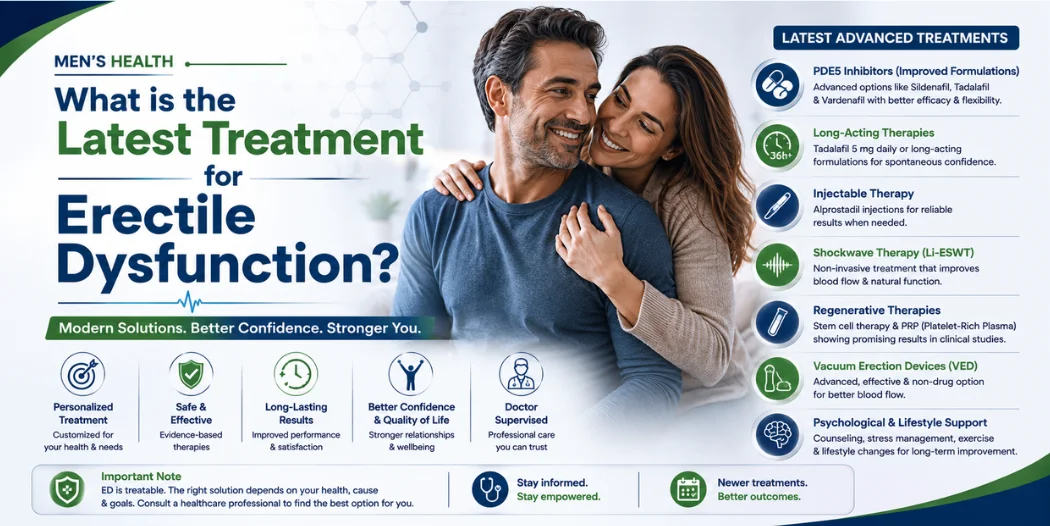
The latest erectile dysfunction treatment options include established treatments and newer therapies still being studied. Established options have stronger clinical evidence while emerging treatments may require more research to confirm their long-term safety and effectiveness.
Oral Medications for Erectile Dysfunction
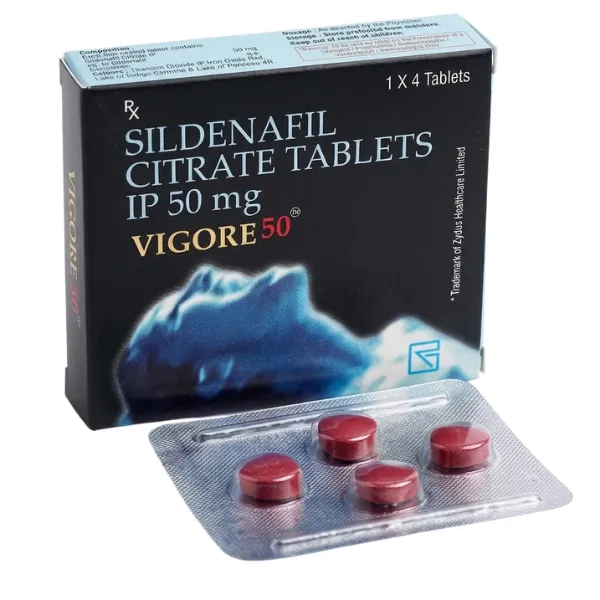
Oral medications are one of the most common treatments for erectile dysfunction. Most of these medicines belong to a group called PDE5 inhibitors. Common options include Sildenafil, Tadalafil, Vardenafil and Avanafil.
These medicines help improve blood flow to the penis during sexual stimulation. They do not automatically cause an erection or increase sexual desire. Sildenafil usually works for a shorter time while tadalafil can remain active for longer.
The right medicine depends on a person’s health, current medications and individual needs. You can learn more about PDE5 Inhibitors when comparing different ED medicines. These medicines should not be taken with nitrate drugs because the combination can cause a dangerous drop in blood pressure.
Low-Intensity Shockwave Therapy for Erectile Dysfunction
Low-intensity shockwave therapy is a newer treatment being studied for erectile dysfunction. It uses low-energy sound waves on the penis. These waves may help improve blood flow and support better blood vessel function.
This may help some men whose ED is linked to poor blood flow. Some studies have reported promising results. However more research is needed to confirm its long-term safety and effectiveness. The treatment process can also vary between clinics. This may include the number of sessions and the type of device used.
Shockwave therapy should not be considered a replacement for proven ED treatments. Men who are considering this treatment should understand its potential benefits and limitations before making a decision.
Platelet-Rich Plasma (PRP) Therapy for ED
Platelet-rich plasma or PRP therapy uses a concentrated part of a person’s own blood. PRP contains platelets and growth factors that may support tissue repair. Researchers are studying whether PRP can help improve erectile function by supporting healthy penile tissue.
Early research has shown some potential, but more studies are needed to confirm its effectiveness and safety. PRP does not have the same level of evidence as established ED treatments such as oral medications. Men considering treatment can also learn about the Safest ED Medication options to better understand established approaches to managing erectile dysfunction.
Studies have also used different treatment methods and patient groups which makes the results difficult to compare. For now PRP should be considered an emerging treatment rather than a proven cure for erectile dysfunction.
Stem Cell Therapy for Erectile Dysfunction
Stem cell therapy is an experimental treatment being studied for erectile dysfunction. Researchers are exploring whether stem cells can help repair damaged blood vessels nerves or other tissues involved in erections.
It may be useful for ED caused by tissue or blood vessel damage. However stem cell therapy is still being researched. More studies are needed to confirm how well it works and whether it is safe for long-term use.
Researchers are also studying which types of stem cells may provide the best results and how they should be given. Men should be careful with clinics that promote stem cell therapy as a guaranteed cure because it is not yet a standard treatment for erectile dysfunction.
Penile Implants
A penile implant is a surgical treatment for men with erectile dysfunction who do not get good results from other treatments. It is also called a penile prosthesis. There are two main types: inflatable implants and malleable implants.
Inflatable implants allow a man to create an erection when needed. Malleable implants use bendable rods that can be positioned as needed. Penile implants can provide reliable erections and may offer long-term satisfaction for suitable patients.
However, surgery can have risks such as infection, bleeding mechanical problems and the need for another surgery. Since it is an invasive treatment a penile implant is usually considered when other less invasive treatments have not worked.
Vacuum Erection Devices
Vacuum erection devices are a non-medication option for erectile dysfunction. The device has a plastic cylinder that fits over the penis. A pump removes air from the cylinder and creates a vacuum.
This helps draw blood into the penis and produce an erection. A constriction ring can then be placed around the base of the penis to help keep the erection during sexual activity.
These devices may be useful for men who cannot take oral ED medicines or prefer a non-drug option. Some men may find them less convenient or feel that the erection is less natural. Possible problems include discomfort bruising or difficulty using the device properly.
Penile Injections
Penile injections are a treatment option for men with erectile dysfunction when oral medicines do not work well or are not suitable. The medicine is injected directly into the penis to increase blood flow and help produce an erection.
These injections can work effectively, but they must be used correctly. A doctor or healthcare professional should explain how to use them and how much medicine to inject.
Using too much medicine or using the injection incorrectly can cause problems. One serious side effect is an erection that lasts too long and needs urgent medical care. For this reason, penile injections should always be used as directed.
Gene Therapy for Erectile Dysfunction
Gene therapy is a new and experimental approach being studied for erectile dysfunction. Researchers are exploring whether genetic material can help improve the body processes involved in erections, such as blood flow, nerve signals, and muscle function.
The aim is to treat some underlying causes of ED rather than only manage the symptoms. However, gene therapy is not yet a standard treatment for erectile dysfunction.
More research is needed to confirm whether it is safe, effective, and suitable for long-term use. Therefore, men should be careful about claims that gene therapy can permanently cure ED. At present, it remains a treatment being studied in research rather than an established option.
Latest ED Treatments vs Traditional Treatments
Newer treatments often receive attention because they may target ED differently from conventional medicines. However, newer does not automatically mean better. Traditional treatments such as oral PDE5 inhibitors have been studied extensively and have a well-established role in managing ED.
| Treatment | Type | Evidence Level | Best For | Status |
| Sildenafil | Oral | Strong | Many men with ED | Established |
| Tadalafil | Oral | Strong | On-demand/daily use | Established |
| Vacuum Device | Device | Established | Medication alternatives | Established |
| Penile Injection | Injection | Strong | ED not responding to pills | Established |
| Penile Implant | Surgery | Strong | Severe/treatment-resistant ED | Established |
| Shockwave Therapy | Non-invasive | Emerging | Selected patients | Research/limited use |
| PRP | Regenerative | Limited | Experimental | Research |
| Stem Cell Therapy | Regenerative | Early | Experimental | Research |
| Gene Therapy | Regenerative | Early | Experimental | Research |
Lifestyle Changes That May Help Improve Erectile Function
Treatment for ED does not always begin with medication. Lifestyle changes can support better cardiovascular health and may improve erectile function, particularly when lifestyle factors contribute to the problem.
Exercise Regularly
Regular physical activity supports cardiovascular health and healthy blood circulation. Moderate aerobic exercise can be particularly useful for men who are physically inactive or overweight.
Activities such as walking, cycling, swimming, or jogging can help improve blood flow, support a healthy weight, and keep the heart strong. Aim for regular exercise throughout the week for better overall and sexual health.
Maintain a Healthy Weight
Being overweight or obese can increase the risk of several conditions associated with ED. Maintaining a healthy weight may improve blood flow, support heart health, and lower the risk of health problems that can affect erections. Regular exercise and a balanced diet can help you reach and maintain a healthy weight.
Stop Smoking
Smoking can damage blood vessels and negatively affect circulation. Quitting can provide broad health benefits and may support better vascular function. It can also improve blood flow throughout the body, which is important for healthy erections. If you smoke, quitting may help reduce your risk of health problems linked to erectile dysfunction and improve your overall sexual health.
Limit Alcohol
Heavy alcohol consumption can interfere with sexual function and may contribute to erection difficulties. Limiting alcohol can be beneficial for overall health. Drinking too much alcohol may make it harder to get or maintain an erection. Reducing alcohol intake can support better sexual health, improve sleep and help maintain overall physical and mental well-being.
Eat a Balanced Diet
A diet rich in vegetables, fruits, whole grains, legumes, and other nutrient-dense foods can support cardiovascular health. Eating healthy foods can help improve blood flow and keep your heart and blood vessels healthy. Since healthy blood vessels are important for erections, dietary habits can play a role in sexual health.
Manage Stress
Stress and anxiety can interfere with sexual arousal and erection maintenance. Taking time to relax may help. Regular exercise, deep breathing, meditation, and other relaxing activities can reduce stress. Talking to a counselor may also help if stress or anxiety continues. Managing daily stress can support better sexual health and may improve overall well-being.
Get Enough Sleep
Poor sleep can affect your energy, mood, and overall health. Try to sleep and wake up at the same time each day. Getting enough quality sleep may support your overall well-being and sexual health. If you often have trouble sleeping or do not feel rested after sleep, talk to a healthcare professional for proper guidance.
How Is Erectile Dysfunction Diagnosed?
Diagnosing erectile dysfunction (ED) usually starts with a conversation about your health and sexual history. A doctor may ask when the erection problems started, how often they happen, whether you get erections while sleeping or in the morning, and whether you have noticed any changes in sexual desire.
The doctor may also perform a physical examination. Depending on your symptoms and medical history, you may need blood tests or other tests to find the possible cause of ED.
Your doctor may check for health problems such as:
- Diabetes or high blood sugar
- Heart and blood vessel problems
- Hormonal changes
- Side effects from certain medicines
- Nerve-related problems
- Stress, anxiety, or other psychological factors
The purpose of these tests is not only to confirm ED but also to find out what may be causing it.
Finding the cause is important because ED can sometimes be linked to other health problems. Treating the underlying condition may help improve erectile function as well as your overall health.
Are New Erectile Dysfunction Treatments Safe?
The safety of a new erectile dysfunction treatment depends on the treatment and how much research supports it. Established ED treatments have been tested in clinical studies so their benefits, risks, side effects and proper use are better understood.
Newer treatments may have less evidence especially about their long term safety and effectiveness. Treatments such as PRP therapy, stem cell therapy and gene therapy are still being studied and should not be considered proven cures.
Be careful with products or treatments advertised online as guaranteed solutions. Unregulated ED medicines may contain incorrect doses, hidden ingredients or harmful substances. Before trying a new treatment, discuss its benefits, risks, evidence and alternatives with a qualified medical professional.
Conclusion
The latest erectile dysfunction treatments vary by individual needs. While newer options are being developed, established treatments such as oral ED medicines, vacuum devices, penile injections, and implants can still be effective. The right treatment depends on the cause of ED, overall health, and treatment response, helping men improve sexual function and enjoy a more satisfying Intimate Sex experience.
Newer treatments, including low-intensity shockwave therapy, are being studied for their potential benefits. PRP therapy, stem cell therapy, and gene therapy are also being researched, but they are not yet considered proven treatments for everyone.
The right treatment depends on the cause of ED, overall health, current medications, and how well previous treatments have worked. Men with ongoing erectile problems should seek proper medical evaluation, as ED can sometimes be linked to other health conditions.