
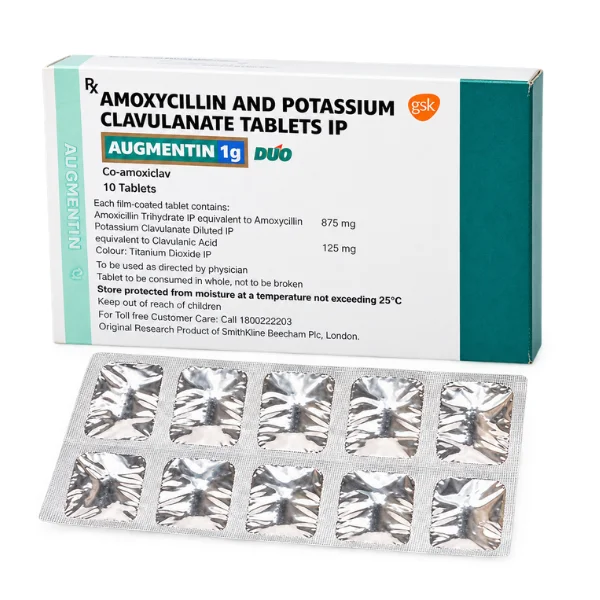
Description
Augmentin 1g is a prescription antibiotic containing amoxycillin 875 mg and clavulanic acid 125 mg. It is used to treat certain bacterial infections that can affect the respiratory tract, urinary tract, skin, soft tissues, bones, joints, and teeth.
It contains two ingredients that work together to fight bacteria and help prevent some bacteria from resisting the antibiotic. Augmentin 1g should only be taken when prescribed by a healthcare professional.
The recommended dose and treatment duration may vary depending on the type and severity of the infection, age, and kidney function. Follow the prescribed instructions carefully.
What Is Augmentin 1g?
Augmentin 1g is a prescription antibiotic used to treat certain bacterial infections. It contains two active ingredients: amoxicillin and clavulanic acid. Augmentin is manufactured by GlaxoSmithKline (GSK), a global pharmaceutical company. Together, the two ingredients help fight bacteria that can cause infections.
Amoxicillin is a penicillin-type antibiotic that works by preventing bacteria from building their protective cell walls. Clavulanic acid helps amoxicillin work better by blocking certain enzymes called beta-lactamases. These enzymes can make some bacteria resistant to amoxicillin.
Each Augmentin 1g Duo tablet contains 875 mg of amoxycillin and 125 mg of clavulanic acid, making a total of 1000 mg. Always check the medicine pack for the exact strength and follow your prescribed instructions.
How Does Augmentin 1g Work?
Amoxycillin works by interfering with the process bacteria need to build their protective cell wall. This makes it difficult for the bacteria to grow and survive. However, some bacteria produce enzymes called beta-lactamases that can break down amoxycillin and make it less effective.
Clavulanic acid helps solve this problem by blocking these enzymes and protecting amoxycillin from being broken down. Together, these two ingredients help Augmentin 1g fight a wider range of susceptible bacterial infections and support effective antibacterial treatment when prescribed by a healthcare professional.
Uses of Augmentin 1g
The augmentin 1g duo uses include the treatment of certain bacterial infections when the bacteria are susceptible to this antibiotic combination.
- Sinus and ear infections
- Throat and respiratory infections
- Urinary tract infections
- Skin and soft tissue infections
- Bone and joint infections
- Dental infections
- Other bacterial infections
Augmentin 1g does not work against viral infections such as viral fever or common viral infections. Your doctor will decide whether this antibiotic is suitable based on the type and severity of your infection.
Benefits of Augmentin 1g
The main benefit of Augmentin 1g is its dual-action formula. Amoxycillin works against susceptible bacteria, while clavulanic acid helps protect amoxycillin from certain enzymes that can make some bacteria resistant to it.
This combination can provide broader antibacterial activity than amoxycillin alone for certain infections. Augmentin 1g may be prescribed for bacterial infections affecting the respiratory tract, ears, urinary tract, skin, soft tissues, teeth, bones, or joints.
It can be especially useful when the bacteria causing the infection may produce beta-lactamase enzymes. However, the medicine should only be used when prescribed by a healthcare professional and is not suitable for viral infections.
Available Strengths and Alternatives
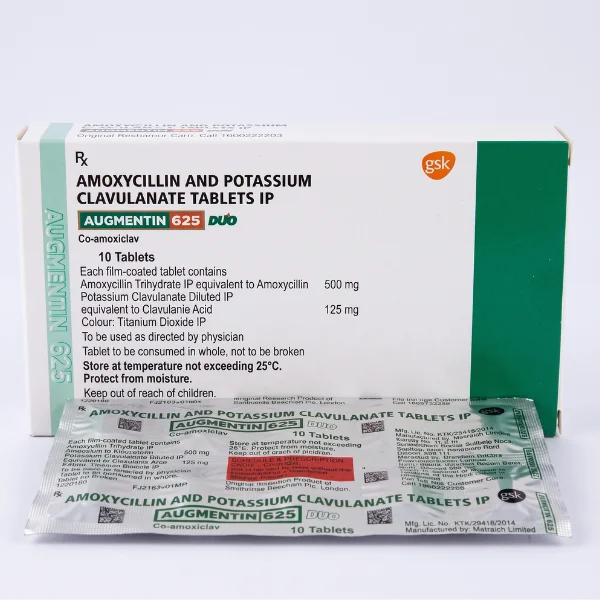
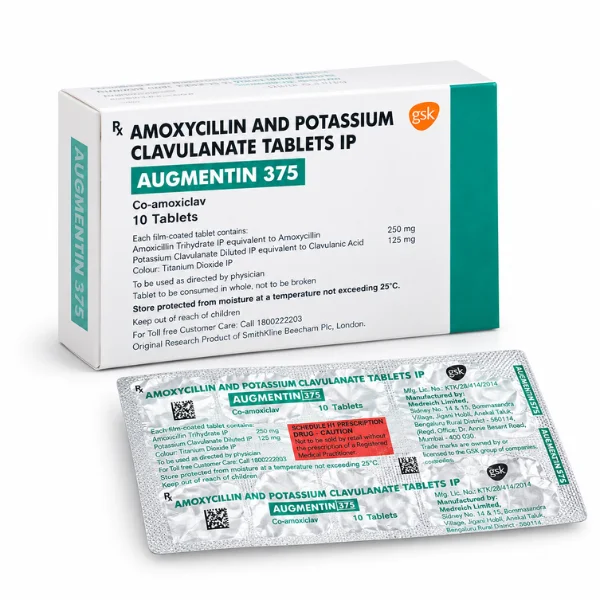
Augmentin is available in different strengths
Who Should Take Augmentin 1g?
Augmentin 1g is generally prescribed for adults and children over 12 years who have a bacterial infection that can be treated with this antibiotic. It is not recommended for children aged 12 years and under. The appropriate treatment also depends on kidney function and the severity of the infection.
The appropriate treatment also depends on kidney function and the severity of the infection. It should not be taken simply because symptoms such as fever, cough, or sore throat are present. Many common illnesses are viral and do not improve with antibiotics.
How to Take Augmentin 1g Correctly
Take augmentin tablets 1g exactly as prescribed. Take the medicine at the start of a meal to help reduce the chance of stomach discomfort. Swallow the tablet whole with a glass of water and do not crush or break it.
Take each dose at the recommended time and complete the full course, even if you start feeling better. Do not change the dose or stop treatment without speaking to your doctor. Never share Augmentin 1g with anyone else, even if they have similar symptoms.
Recommended Dosage of Augmentin 1g
The Augmentin 1g dosage depends on the severity of the infection, age, and kidney function. For adults and children over 12 years, the usual dose for severe infections is one Augmentin 1g tablet every 12 hours. The 1g tablet is not recommended for patients with a creatinine clearance below 30 mL/min.
Missed Dose
If you miss a dose of Augmentin 1g, take it when you remember. If it is almost time for your next dose, skip the missed dose and continue with your regular schedule. Do not take two doses together to make up for a missed dose. If you often miss doses, ask your doctor or pharmacist for advice.
Overdose
Taking more Augmentin 1g than prescribed may cause nausea, vomiting, diarrhoea, or stomach discomfort. In some cases, an overdose may affect the kidneys. If you accidentally take more than prescribed, contact your doctor or seek medical advice promptly, especially if you develop severe or unusual symptoms.
Side Effects of Augmentin 1g
The augmentin 1g side effects can vary from person to person. Common side effects are usually mild and may include:
- Diarrhoea
- Nausea
- Vomiting
- Indigestion or stomach discomfort
- Headache or dizziness
- Skin rash or itching
- Fungal infections such as thrush
Taking Augmentin 1g at the start of a meal may help reduce stomach-related side effects. Some side effects can be serious but are less common. Seek medical help immediately if you experience difficulty breathing, swelling of the face or throat, a severe skin rash, or severe or ongoing diarrhoea.
Precautions and Warnings
Before taking Augmentin 1g, tell your doctor if you:
- Are allergic to penicillin, cephalosporins, or similar antibiotics
- Suffer from kidney problems
- Suffer from liver disease or had liver problems after taking antibiotics
- Have glandular fever or suspect that you may have it
- Experienced severe diarrhoea after taking antibiotics
People with kidney problems may need a different dose or strength of Augmentin 1g. If you suffer from liver problems, your doctor may monitor you more closely during treatment.
Augmentin 1g Drug Interactions
Some medicines can interact with Augmentin or require additional monitoring. These include warfarin and other oral anticoagulants, methotrexate, probenecid, allopurinol, and mycophenolate mofetil. Tell your doctor or pharmacist about all prescription medicines, over-the-counter products, vitamins, and supplements you are taking before starting treatment.
Storage Instructions
Store Augmentin 1g protected from moisture and at a temperature not exceeding 25°C. Keep the tablets in their original packaging and out of reach of children. Always check the expiry date before use.
How to Buy Augmentin 1g Online from EasyRxDose?
If you want to buy Augmentin 1g tablet online, you can visit EasyRxDose to check the product details, availability, and current price. Augmentin 1g is a prescription antibiotic, so it should be used only as advised by your doctor. Before placing your order, check the medicine strength, pack size, expiry date, and other product details. The Augmentin 1g price may vary depending on the pack size and availability.


Reviews
There are no reviews yet.